
A landlord electrical safety certificate is the EICR (Electrical Installation Condition Report) that the law requires for every private rented home in England. You need a valid one before a tenant moves in, renewed at least every five years by a qualified person. You must give tenants a copy of the report within 28 days, and any C1 or C2 remedial work must be done within 28 days of the inspection. Councils can impose penalties of up to £40,000 for failing to comply.
Since 2020, electrical safety in rented properties in England has not been left to a landlord's discretion. There is a specific legal framework that sets out exactly what is required, when, and what happens if it is not followed. This guide sets out what the law actually says, in plain terms, so you know where you stand.
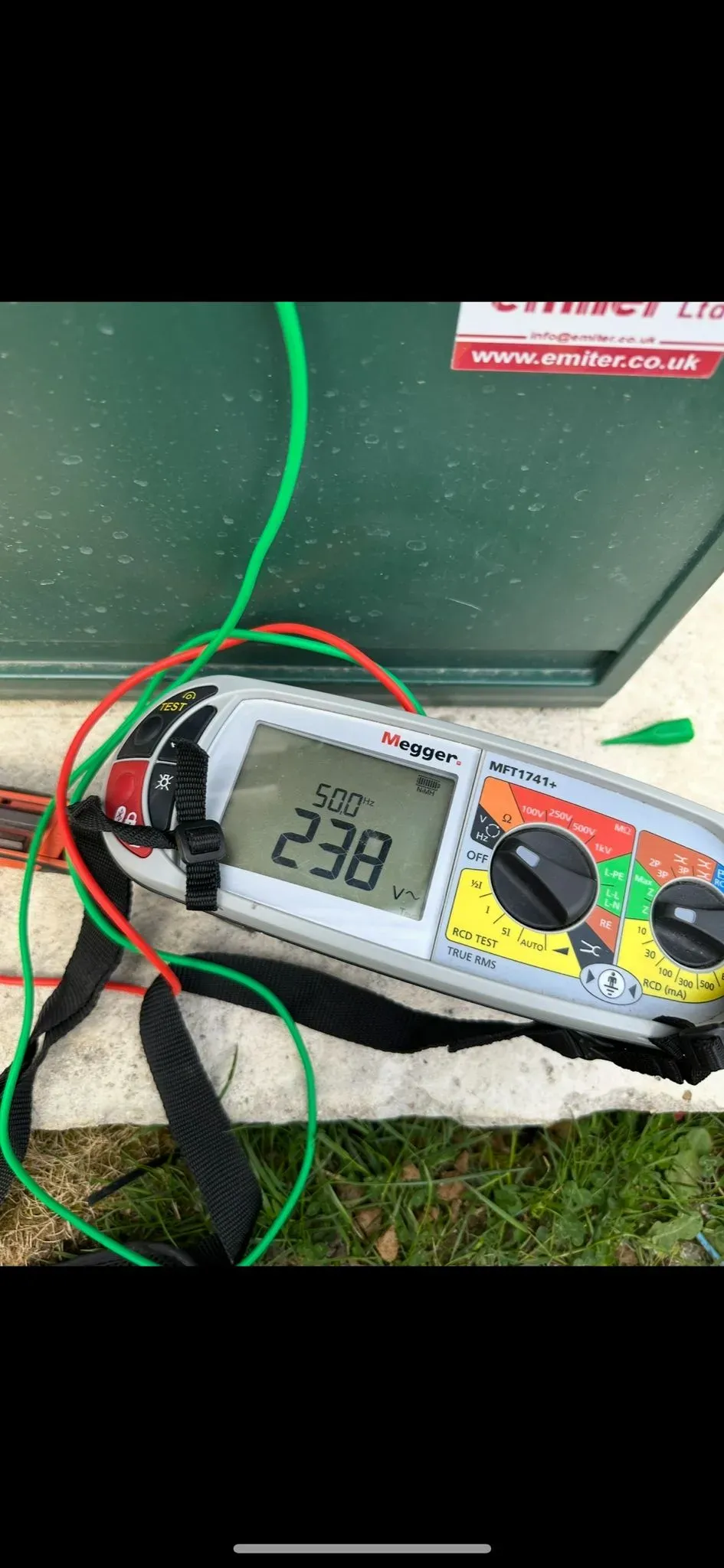
Is an EICR the Same as a Landlord Electrical Safety Certificate?
Yes. There is no separate document called a landlord electrical safety certificate. The regulations require an Electrical Installation Condition Report, and letting agents, tenants and councils use the two names for the same thing. It is not the same as the gas safety certificate, which is renewed every year by a Gas Safe engineer, and it does not cover the appliances you supply, which are checked by PAT testing. Our guide to electrical safety certificates explained covers the other electrical documents you may be asked for.
EICR Rules for Landlords at a Glance
| What you must do | Deadline |
|---|---|
| Have a valid EICR in place | Before a new tenant moves in |
| Renew the EICR | At least every five years, or sooner if the report says so |
| Give a copy to existing tenants | Within 28 days of the inspection |
| Give a copy to a new tenant | Before they move in |
| Give a copy to a prospective tenant who asks in writing | Within 28 days of the request |
| Give a copy to the council if it asks | Within 7 days |
| Fix C1 and C2 defects and carry out any FI | Within 28 days of the inspection, or sooner if the report says so |
| Send written confirmation of the work to the tenant and the council | Within 28 days of the work being finished |
The Regulation That Applies
The rules come from the Electrical Safety Standards in the Private Rented Sector (England) Regulations 2020. They apply to most private rented properties in England, including houses, flats and houses in multiple occupation, and since 2025 they cover social housing too. The core requirement is straightforward: every electrical installation must be inspected and tested by a qualified person at intervals of no more than five years, or sooner if the last report says so.
When You Need an EICR
There are two moments that trigger the requirement. The first is before a new tenancy begins: you must have a valid, in-date report before a tenant moves in. The second is the five-year renewal cycle for any tenancy that continues, unless the inspecting electrician recommends a shorter interval based on the condition of the installation, in which case the earlier date applies.
If you are unsure whether your current report is still valid, check the date on the certificate itself, it will state the recommended date for the next inspection. You can also put that date into our EICR due date checker to see exactly where you stand. If you cannot locate a previous report at all, treat that as a sign to book one promptly, since you have no evidence of compliance in the meantime.
What Counts as a Qualified Person
The regulations require the inspection to be carried out by someone qualified and competent to do the work. In practice, this means an electrician registered with a recognised competent person scheme, such as NAPIT, with the training, insurance and calibrated test equipment to assess a domestic installation properly. Landlords cannot carry out or sign off their own EICR, regardless of any electrical experience they may have.
What You Must Do With the Report
Once the inspection is complete, you have specific obligations for what happens to the paperwork:
- Provide a copy of the report to the existing tenant within 28 days of the inspection
- Provide a copy to a new tenant before they move in
- Provide a copy to a prospective tenant within 28 days if they ask for it in writing
- Provide a copy to the local housing authority within 7 days if they request it
- Retain a copy yourself until the next inspection is due, and supply it to the inspecting electrician for the following report
If the report identifies any C1 (danger present) or C2 (potentially dangerous) codes, the remedial work must be carried out within 28 days of the inspection, or sooner if the report specifies. GOV.UK's guidance says the same applies to any further investigation (FI) the report asks for. Within 28 days of the work being finished, you must then send written confirmation from the electrician, with a copy of the report, to the tenant and to the local council. The council must receive this even if they have not asked for it. We explain exactly what these classification codes mean and what happens next in our separate guide, what happens if your EICR gets a C1, C2 or C3 code.
What Happens If You Do Not Comply
Local authorities can serve a remedial notice requiring you to carry out necessary works within 28 days. If a landlord fails to comply without a reasonable excuse, the authority can arrange for the work to be carried out itself and recover the cost, and can also impose a financial penalty of up to £40,000 (the limit rose from £30,000 for breaches from 1 May 2026). Non-compliance can also affect your position in the event of an insurance claim or a dispute with a tenant, so it is not a requirement worth treating loosely.
How Much This Costs and How Long It Takes
Costs vary by property size and typically run from around £150 for a one or two-bedroom flat to £250 or more for a larger house, and the inspection itself usually takes between ninety minutes and half a day depending on the number of circuits. We have written a full breakdown in our guide to EICR cost in Tunbridge Wells and Kent, and a separate guide covering how long an EICR takes and how often you need one.
Staying Compliant, Without the Admin Headache
For landlords managing one property or a portfolio of several, keeping track of five-year renewal dates alongside gas safety checks, tenancy renewals and everything else that comes with letting a property is easy to let slip. Our team carries out EICR inspections across Tunbridge Wells, Tonbridge, Sevenoaks and the wider Kent area, and can flag your next renewal date so it does not catch you out. Get in touch for a free quote and we will fit around your tenancy dates.