
An EICR takes around 90 minutes to two hours for a one-bedroom flat, two to four hours for a two or three-bedroom house, and half a day or more for larger homes. An EICR lasts until the next inspection date written on the report: no more than five years for a rented home in England, and usually ten years for an owner-occupied home.
Booking an EICR often raises two practical questions before anything else: how much disruption is it going to cause on the day, and how often do you actually need to do this. Both answers depend mostly on the size and age of the property, so here is what to expect.
How Long the Inspection Itself Takes
An EICR involves testing every circuit in a property individually, so the time it takes scales with the number of circuits, not just the number of rooms. As a general guide:
| Property | Inspection time |
|---|---|
| One-bedroom flat | 90 minutes to two hours |
| Two or three-bedroom house | Two to four hours |
| Four-bedroom or larger property | Half a day or more |
| Commercial premises | Often a full day, or split across visits |
Older properties with a mix of wiring ages, or installations with poor labelling on the consumer unit, tend to take longer because each anomaly has to be traced and understood individually rather than simply tested and recorded.
What Actually Happens During the Visit
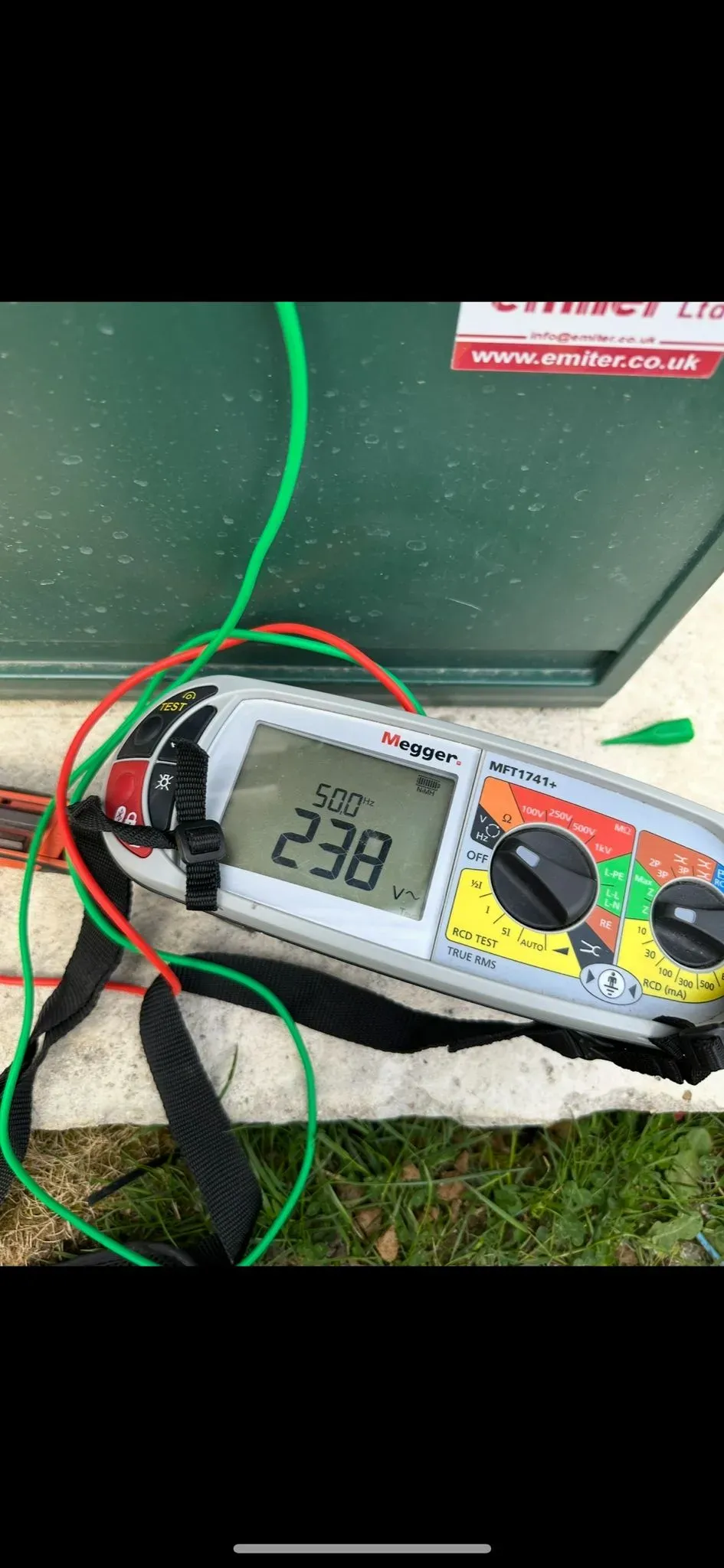
The electrician starts with a visual inspection, checking the condition of the consumer unit, accessible wiring, sockets, switches and fittings for obvious signs of damage or wear. They then carry out a series of electrical tests on each circuit, checking insulation resistance, earth continuity, and that protective devices like RCDs and circuit breakers operate correctly within the required time. Because this involves switching circuits off in turn, you should expect brief interruptions to power in different parts of the property throughout the visit, though the whole house is never without power for the full duration.
If you have equipment that genuinely cannot be interrupted, such as a fish tank pump, a freezer full of stock, or medical equipment, mention this when you book so the visit can be planned around it.
How Long an EICR Lasts
An EICR does not have a fixed expiry date in law. It lasts until the recommended date for the next inspection, which the electrician writes on the report based on how the property is used and the condition of the installation. That date can be shorter than the usual interval if the wiring is old, has been damaged or is heavily used. How long that interval normally is depends on the type of property:
Rental properties
Under the Electrical Safety Standards in the Private Rented Sector (England) Regulations 2020, landlords must have a valid EICR in place at intervals of no more than five years, or sooner if the previous report recommends an earlier date. A new report is also required before a new tenancy begins if the existing one has expired. Full detail on this legal requirement is in our guide to the landlord electrical safety certificate. If you are not sure when yours is due, the EICR due date checker works it out from the date of your last report.
Owner-occupied homes
There is no legal requirement for homeowners, but the widely recommended interval is every ten years. It is also worth commissioning one when buying a property, if you are not confident about its electrical history, before starting a major renovation, or if the installation has never been tested and the property is more than 20 years old.
Newly built or recently rewired properties
A property that has just received an Electrical Installation Certificate (issued after a new install or a full rewire) does not need an EICR straight away. That certificate effectively covers the installation until the standard interval, five or ten years depending on use, comes around.
How to Check Whether Your EICR Is Still Valid
Look for the recommended next inspection date on the report itself, usually near the summary on the first page. There is no national online register of EICRs, unlike energy performance certificates, so if you cannot find your copy, ask the electrician who carried it out. Our EICR due date checker works out when the next one is due from the date of your last report, and our guide to electrical certificates explained covers how to replace other lost electrical paperwork.
What Happens Next
At the end of the inspection, you receive a signed, dated report classifying any issues found using the standard C1, C2 or C3 codes. If you want to understand exactly what those mean and how urgently each needs addressing, we cover it in full in what happens if your EICR gets a C1, C2 or C3 code.
Booking an EICR in Tunbridge Wells or Kent
We carry out EICR inspections across Tunbridge Wells, Tonbridge, Sevenoaks, Maidstone and the wider Kent area, and give you a fixed price and an accurate time estimate before the visit based on your property's size and age. For pricing detail, see our guide to EICR cost in Tunbridge Wells and Kent. To book, get in touch and we will find a time that works around you.